Purchasing land for sale in Krabi, Thailand, as a foreigner is possible primarily through long-term leasehold agreements, often for 30 years with options for renewal, or by structuring ownership through a Thai company. While direct freehold ownership of land by foreigners is prohibited under Thai law, these established legal frameworks allow international buyers to invest in Krabi’s stunning landscapes for residential or commercial development.
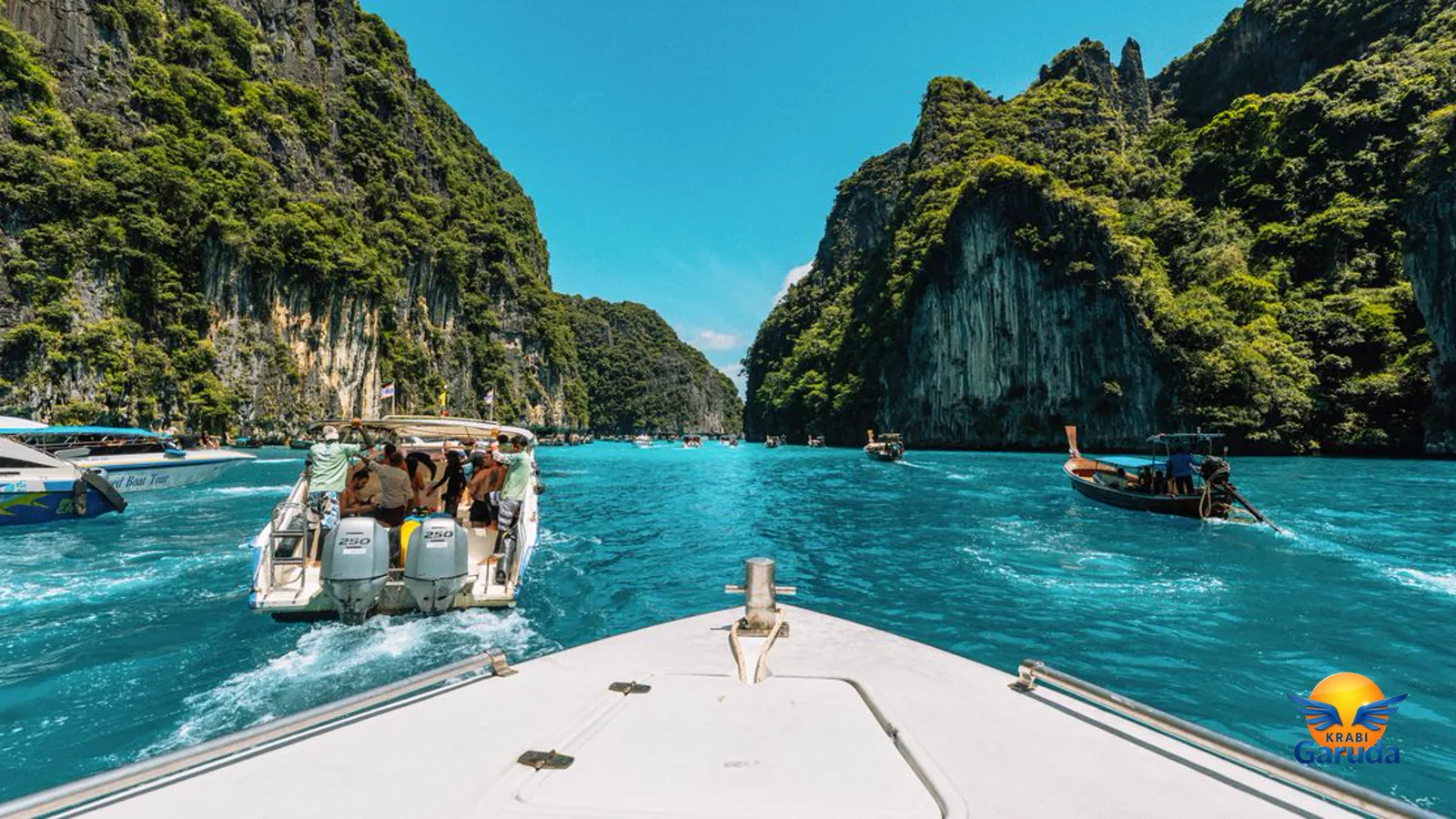
Krabi, with its dramatic limestone karsts, emerald waters, and pristine beaches like Ao Nang and Railay, offers a captivating environment for land investment. Whether you envision building a private villa, a boutique resort, or a commercial enterprise, understanding the local market, legal nuances, and regional characteristics is crucial for a successful acquisition. This guide provides an in-depth look at the process, key considerations, and practical advice for securing land in this beautiful Thai province.
Understanding Land Ownership for Foreigners in Thailand
Thai law explicitly restricts direct freehold ownership of land by non-Thai nationals. This fundamental principle shapes all foreign land acquisitions. However, this doesn’t mean foreigners cannot secure long-term control and use of land. The primary legal avenues available are:
Long-Term Leasehold
- The 30-Year Lease: This is the most common and straightforward method. Foreigners can enter into a registered lease agreement for a period of 30 years. The lease is registered with the Land Department, providing a secure legal interest in the property.
- Renewal Options: Leases often include options for renewal, typically for two additional 30-year terms, effectively providing 90 years of control. However, these renewal clauses are contractual and not automatically guaranteed by law; they rely on the cooperation of the landowner at the time of renewal. It’s crucial to have these clauses explicitly written and legally sound.
- Building Rights: Under a leasehold, the foreigner owns any structures built on the leased land. This means you can construct a villa, a guesthouse, or a commercial building and hold freehold ownership over the physical structures, even if the land itself is leased.
Thai Company Ownership
- Majority Thai Shareholding: A foreign individual or entity can establish a Thai limited company to own land. The key requirement is that Thai nationals must hold at least 51% of the company’s shares. However, the foreign investor can be structured to have control over the company through preferred shares, differing voting rights, or director appointments.
- Due Diligence: This method requires careful legal structuring to ensure the foreign investor’s interests are protected. It’s vital to work with a reputable Thai law firm to set up the company and draft shareholder agreements to prevent future disputes.
- Purpose of Company: The company must have a genuine business purpose for owning the land, not solely for a foreigner to circumvent ownership laws.
Spousal Ownership
If married to a Thai national, a foreigner can have their Thai spouse purchase land in their name. However, the Thai spouse will be required to declare that the funds used for the purchase are solely theirs, not jointly acquired with the foreign spouse. This method carries inherent risks, as the land will legally belong to the Thai spouse alone.
Key Considerations When Buying Land in Krabi
Before committing to a land purchase, several practical and legal factors need thorough investigation:
Location, Location, Location
Krabi offers diverse environments, each with unique advantages:
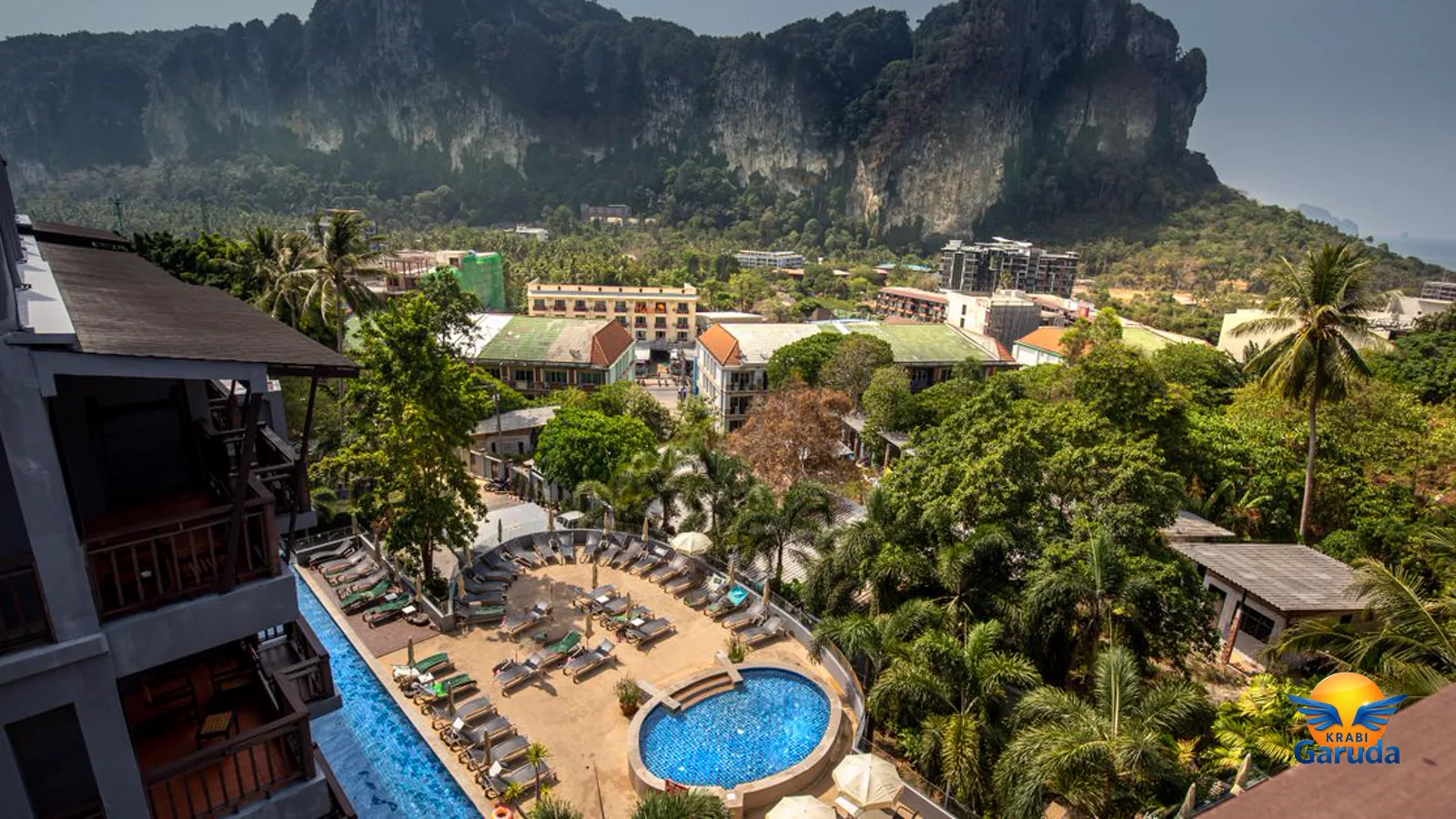
- Ao Nang: The most developed tourist hub, offering proximity to amenities, restaurants, and island hopping tours. Land here is generally more expensive and harder to find, but offers high rental potential.
- Klong Muang/Tubkaek: Quieter, more upscale areas north of Ao Nang, known for luxury resorts and stunning sunset views. Ideal for those seeking tranquility and higher-end development.
- Krabi Town: The provincial capital, more focused on local life and administration. Land prices can be lower, suitable for long-term residential or commercial projects targeting local markets.
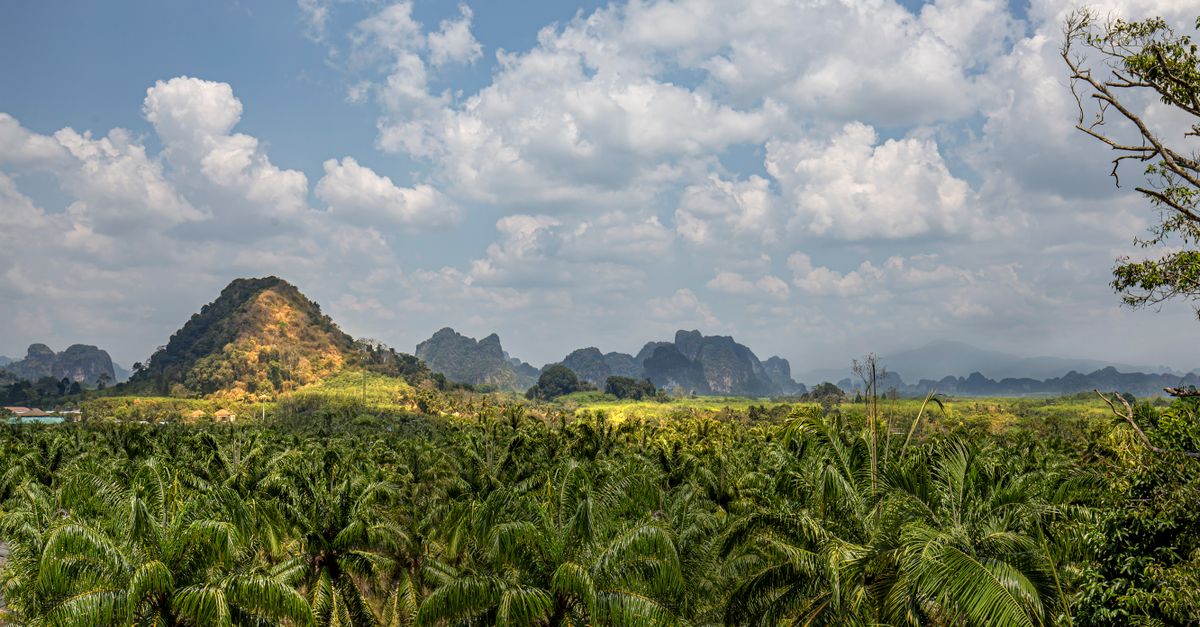
- Inland Areas (e.g., around Ao Luek): Offers larger plots at significantly lower prices, often surrounded by rubber plantations or palm oil groves. Suitable for eco-tourism projects, large agricultural ventures, or private retreats for those seeking seclusion.
- Koh Lanta: While technically part of Krabi province, it’s an island requiring a ferry. Land here offers a more laid-back, bohemian atmosphere, with excellent potential for boutique resorts or private villas.
Land Titles and Due Diligence
Understanding Thai land titles is paramount. The most secure titles for transactions are:
- Chanote (Nor Sor See Jor): This is the most secure and precise land title deed, accurately surveyed and guaranteed by the Land Department. It allows for full ownership, subdivision, and transfer. Always prioritize land with a Chanote title.
- Nor Sor Sam Gor (NS3G): A reliable title, but less precise than a Chanote. It’s surveyed but not to the same exacting standards. It can be upgraded to a Chanote.
- Nor Sor Sam (NS3): Less precise, with boundaries defined by aerial photography. It can also be upgraded but requires more effort.
It is absolutely essential to engage a reputable, independent Thai lawyer to conduct comprehensive due diligence. This includes:
- Verifying the authenticity of the land title deed.
- Checking for any encumbrances, liens, mortgages, or restrictions on the land.
- Confirming zoning regulations and permitted land use (e.g., residential, commercial, agricultural).
- Ensuring the seller is the legal owner and has the right to sell.
- Investigating access rights, especially for plots not directly fronting a public road.
For more insights into property values, you might find our guide on Krabi Real Estate Prices 2026: Villas, Condos & Land Costs helpful.
The Process of Acquiring Land
The acquisition process typically involves several steps:
- Initial Search & Selection: Identify potential plots of land based on your budget, location preferences, and intended use.
- Letter of Intent (LOI) & Deposit: Once a suitable plot is found, a Letter of Intent is often signed, and a small deposit (typically 1-5% of the purchase price) is paid to reserve the land. This deposit is usually held in escrow by a lawyer.
- Due Diligence: As mentioned, this critical phase involves legal checks, title verification, and site surveys. This should take 2-4 weeks.
- Drafting & Review of Agreements: Your lawyer will draft or review the Lease Agreement or Company Share Purchase Agreement, ensuring it protects your interests and complies with Thai law.
- Transfer at the Land Department: For leasehold, the lease agreement is registered at the local Land Department office. All parties (landowner, lessee, and witnesses) must be present. For company ownership, the company’s registration is updated to reflect the new land ownership.
- Payment: The remaining balance of the purchase price is paid upon successful transfer or registration.
Working with a local real estate agent can greatly streamline this process, as they have local market knowledge and can facilitate communication. However, ensure your lawyer is independent and solely represents your interests.
Costs and Fees Associated with Land Purchase
Beyond the purchase price of the land itself, be prepared for additional costs:
| Cost Type | Description | Typical Range (Approx.) |
|---|---|---|
| Transfer Fee (Leasehold) | 0.1% of the lease value, split between lessor and lessee. | 0.1% of lease value |
| Stamp Duty (Leasehold) | 0.1% of the lease value. | 0.1% of lease value |
| Lawyer Fees | For due diligence, contract drafting, and registration assistance. | 50,000 – 200,000 THB+ (depends on complexity) |
| Agent Commission | Typically paid by the seller, but confirm. | Usually 3-5% of sale price (seller pays) |
| Company Formation (if applicable) | Costs to register a Thai limited company. | 20,000 – 50,000 THB+ |
| Annual Property Tax | Relatively low in Thailand, varies by usage and value. | Small percentage of assessed value |
These figures are estimates and can vary significantly based on the land value, location, and complexity of the transaction. Always get clear, written quotes from all service providers. For general guidance on buying property, consider reading our comprehensive guide: Buy House in Krabi: A Foreigner’s Complete Guide (2024).
Building on Your Land: Regulations and Permits
Once you’ve secured land, the next step is often construction. Thailand has strict building codes and regulations. You will need:
- Building Permit: Essential for any new construction or major renovation. This requires submission of architectural plans approved by a licensed Thai architect and structural engineer to the local Tessaban (municipality) or OrBorTor (sub-district administrative organization).
- Zoning Laws: Different areas have specific zoning regulations dictating what kind of structures can be built, their height, density, and proximity to natural features like the coastline. These are crucial for avoiding future legal issues.
- Environmental Impact Assessment (EIA): For larger developments, especially resorts or commercial projects, an EIA may be required.
- Local Builders: Engage reputable local builders with a proven track record. Communication can be a challenge, so consider a project manager or a design-build firm.
Challenges and Opportunities
While investing in Krabi land offers immense potential, it’s wise to be aware of the challenges. These include navigating complex legal frameworks, potential language barriers, and ensuring clear communication with all parties. However, the opportunities for growth in Krabi’s tourism sector and the increasing demand for unique, private accommodations continue to make it an attractive prospect. The region is developing steadily, and careful, informed investment can yield significant long-term rewards.
Frequently Asked Questions
Can a foreigner directly own land in Krabi Thailand?
No, direct freehold ownership of land by foreigners is prohibited under Thai law. Foreigners typically acquire land through long-term leasehold agreements or by establishing a Thai company with majority Thai shareholding.
What is a Chanote land title?
A Chanote is the most secure and precise land title deed in Thailand, accurately surveyed and guaranteed by the Land Department. It is highly recommended for any land transaction to ensure clear ownership and boundaries.
How long can a foreigner lease land in Thailand?
A foreigner can lease land for an initial period of 30 years. Lease agreements often include options for two additional 30-year renewals, potentially providing control over the land for up to 90 years.
What are the best areas to buy land in Krabi?
Popular areas include Ao Nang for high tourist traffic, Klong Muang for upscale tranquility, and inland areas for larger, more affordable plots suitable for eco-tourism or private retreats. Koh Lanta also offers a distinct island lifestyle.
Do I need a lawyer to buy land in Krabi?
Yes, it is absolutely essential to engage an independent and reputable Thai lawyer. They will conduct crucial due diligence, verify land titles, draft contracts, and ensure the transaction complies with all Thai laws, protecting your interests.