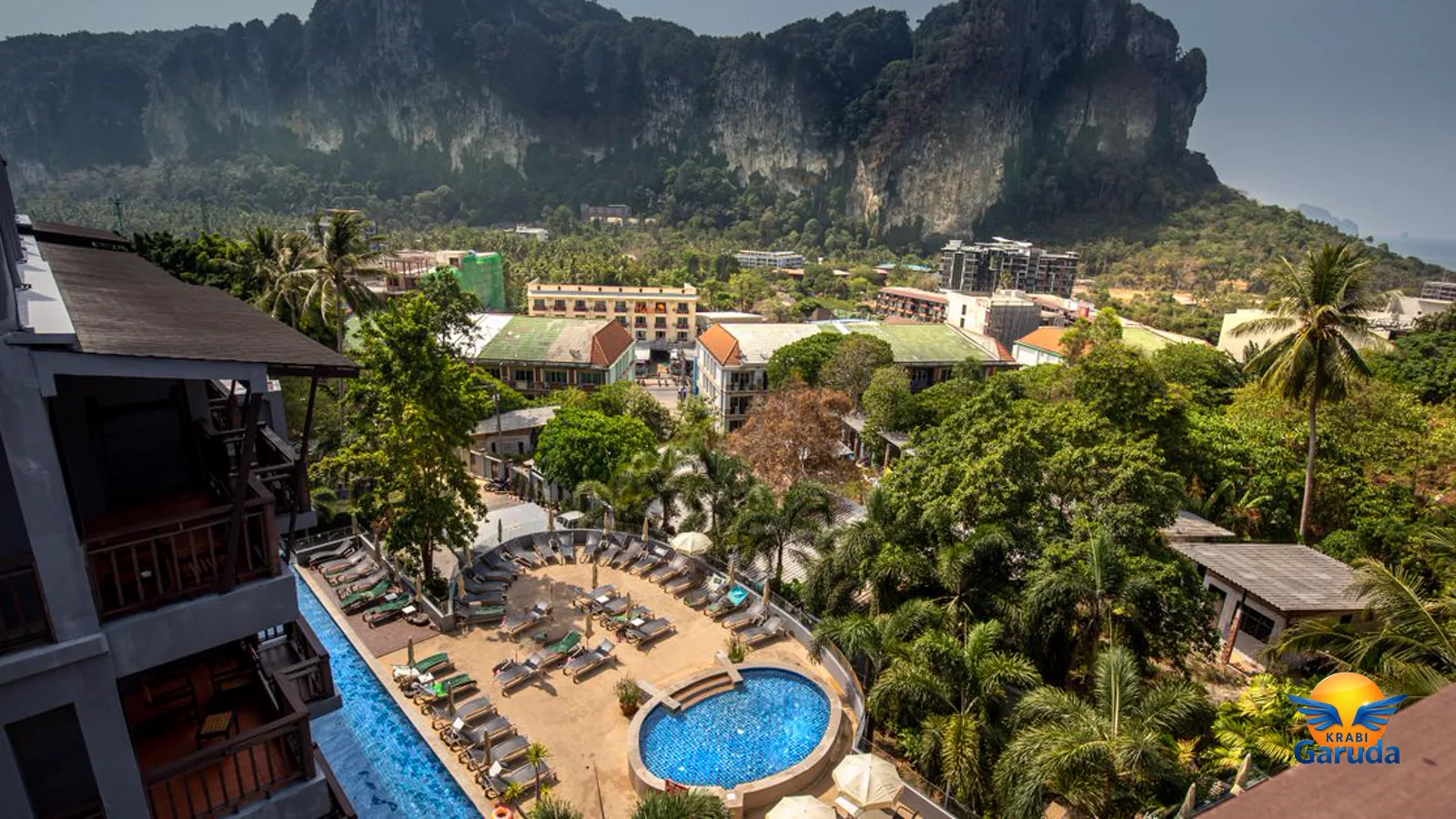

Buying a business in Krabi, Thailand, offers a unique opportunity to invest in a thriving tourist economy while embracing a tropical lifestyle. The process involves understanding local market dynamics, navigating specific legal frameworks for foreign ownership, and conducting thorough due diligence to ensure a smooth transition and profitable venture.
Why Invest in a Business in Krabi?
Krabi’s allure extends far beyond its stunning limestone karsts and emerald waters; it’s a rapidly growing economic hub driven by international tourism. Investing here means tapping into a steady stream of visitors year-round, particularly during the high season from November to April. The province offers a more laid-back atmosphere than Phuket or Koh Samui, yet provides robust infrastructure and connectivity with Krabi International Airport. Areas like Ao Nang, Railay Beach, and Koh Lanta are particularly popular, each with distinct visitor profiles and business demands. Ao Nang, for instance, is a bustling center with diverse dining, accommodation, and tour operations, making it ideal for hospitality ventures. Railay, accessible only by boat, caters to a more adventurous and mid-to-high budget clientele, while Koh Lanta attracts families and those seeking a more tranquil experience. The sheer natural beauty and ongoing development create a fertile ground for entrepreneurs looking to escape the conventional and build something meaningful in a sought-after destination. From boutique guesthouses overlooking the Andaman Sea to vibrant beachfront restaurants, the potential for growth aligns with Krabi’s increasing global recognition as a premier travel spot. Establishing a presence here not only offers financial returns but also the invaluable reward of living and working in a truly exceptional part of the world, interacting daily with a diverse international community and welcoming travelers from across the globe. The local government is generally supportive of investment that contributes positively to the community and economy, providing a stable environment for new business owners.
Understanding Business Types and Opportunities
The Krabi business landscape is predominantly shaped by its tourism sector, presenting a wide array of opportunities for foreign investors. The most common and often lucrative businesses fall within hospitality and food and beverage. This includes hotels, guesthouses, hostels, resorts, and vacation rentals – properties that cater directly to the millions of tourists visiting annually. Many existing businesses are sold as going concerns, complete with established customer bases, staff, and operational licenses. Beyond accommodation, restaurants, cafes, and bars thrive, particularly in tourist-heavy zones like Ao Nang and Krabi Town. Consider the type of cuisine, target demographic, and location carefully; a beachfront seafood restaurant will have different requirements and clientele than a cozy coffee shop catering to digital nomads. Tour operations, offering island hopping, rock climbing, kayaking, and diving excursions, are also perennially popular, though they require specific licensing and local knowledge. Retail businesses, selling souvenirs, beachwear, or essential supplies, also find success. Niche opportunities are emerging too, such as wellness centers, yoga studios, language schools, and even e-commerce ventures leveraging local products. When evaluating potential businesses, consider the seasonality of Krabi’s tourism. Some businesses thrive primarily during the dry season, while others, particularly those targeting residents or long-term visitors, can maintain steadier income year-round. A thorough understanding of the existing market, including competitors and unmet demands, is crucial. For those interested in real estate as a component of their business, our guide on Real Estate in Krabi: Foreign Buyer’s Guide offers valuable insights into property ownership regulations.
Navigating Legalities and Foreign Ownership
Foreign ownership of businesses in Thailand, including Krabi, is governed by specific laws, primarily the Foreign Business Act (FBA). While direct foreign ownership of land is generally restricted, foreigners can own businesses through various structures. The most common approach for larger operations is establishing a Thai limited company, where Thai nationals hold at least 51% of the shares. However, foreigners can maintain control through preferential share structures, shareholder agreements, and director appointments. For smaller businesses, a sole proprietorship is possible but might limit operations. Certain business categories, particularly those promoting investment or exports, may qualify for Board of Investment (BOI) promotion, offering tax incentives and allowing majority foreign ownership. Securing the necessary business licenses and permits is a critical step, varying greatly depending on the type of business. This can include tourism business licenses, restaurant licenses, alcohol licenses, and specific health permits. Additionally, obtaining a non-immigrant B visa and a work permit is mandatory for any foreigner working in their business. Lease agreements for land and commercial properties are also vital; these are typically long-term (30 years, renewable) and require careful drafting by a reputable local lawyer. It is imperative to engage experienced legal counsel specializing in Thai business law to navigate these complexities and ensure full compliance. Attempting to circumvent these laws can lead to severe penalties. Understanding the nuances of company registration, employment law for local staff, and taxation is not just about compliance, but also about building a sustainable and legitimate enterprise in Thailand. Proper legal groundwork protects your investment and ensures long-term viability.
Practical Steps to Buying a Business
The journey to buying a business in Krabi involves several key practical steps, each requiring careful attention. Firstly, identifying the right business requires thorough research. Online portals, local real estate agents specializing in commercial properties, and word-of-mouth within the expatriate community are good starting points. Once a potential business is found, due diligence is paramount. This involves scrutinizing financial records (profit and loss statements, balance sheets, tax returns), checking all licenses and permits for validity, reviewing existing lease agreements, and understanding any outstanding debts or liabilities. It’s also crucial to assess the business’s reputation, customer reviews, and market position. A professional valuation helps determine a fair purchase price, and negotiation is an integral part of the process. Once terms are agreed upon, a memorandum of understanding (MOU) or a sales and purchase agreement (SPA) is drafted by lawyers. The transfer of ownership involves legal registration of the company and assets, updating licenses, and formally handing over operations. This often includes training with the previous owner to understand specific operational procedures and local supplier networks. Integrating into the local business community and understanding cultural nuances in management and customer service are also vital for long-term success. Building strong relationships with your Thai staff and suppliers fosters a positive working environment. Krabi Garuda also has extensive experience in the local market, and exploring our Business for Sale Krabi Thailand: Your 2026 Investment Guide can provide further detailed steps and considerations specific to this region. Remember that patience and adaptability are key attributes for any entrepreneur setting up shop in a new country.
Challenges and Rewards of Entrepreneurship in Krabi
While the prospect of owning a business in Krabi is exciting, it comes with its unique set of challenges and equally significant rewards. One primary challenge is navigating the cultural differences in business practices and communication. Understanding Thai customs, building strong personal relationships (sanuk and kreng jai are important concepts), and managing local staff effectively are crucial for smooth operations. Competition, especially in established tourist areas like Ao Nang, can be fierce, requiring businesses to differentiate themselves through unique offerings, exceptional service, or strategic marketing. Seasonality also presents a challenge, with peak tourist numbers during the dry season and a quieter period during the monsoon months (May to October). Businesses must plan their finances and operations to account for these fluctuations, perhaps by offering different services or promotions during the low season. Bureaucracy, while manageable with good legal advice, can sometimes be slower than what Western entrepreneurs are accustomed to. However, the rewards often outweigh these hurdles. The personal satisfaction of building a successful enterprise in a beautiful setting, the opportunity to create jobs for locals, and the vibrant lifestyle are immense. Entrepreneurs often find a strong expatriate community for support and networking. The direct interaction with a diverse international clientele, the chance to live near world-class beaches and islands, and the lower cost of living compared to many Western countries contribute to a high quality of life. Ultimately, success in Krabi demands resilience, cultural sensitivity, and a genuine passion for your venture, but for those who embrace the journey, the rewards are truly unparalleled.
Frequently Asked Questions
Can foreigners own a business outright in Krabi?
Direct 100% foreign ownership is restricted for most business types in Thailand. Foreigners typically establish a Thai limited company with majority Thai shareholding or seek Board of Investment promotion for certain approved businesses.
What types of businesses are most popular for foreign buyers in Krabi?
Hospitality businesses like guesthouses, resorts, and vacation rentals are very popular. Food and beverage establishments, tour operations, and retail shops catering to tourists also see significant interest.
Do I need a work permit if I own a business in Krabi?
Yes, any foreigner actively working in their business in Thailand, even if they are the owner, must obtain a non-immigrant B visa and a valid work permit.
How important is legal assistance when buying a business in Krabi?
Legal assistance is critically important. An experienced Thai business lawyer will guide you through company registration, license acquisition, lease agreements, and ensure full compliance with the Foreign Business Act.
What is the best time of year to open a new business in Krabi?
Opening a business just before the high season (around October or November) allows you to capitalize on peak tourist arrivals, build momentum, and fine-tune operations during the busiest period.
Are there challenges with staffing a business in Krabi?
Finding and retaining good local staff requires understanding cultural nuances, fair compensation, and building strong, respectful relationships. Local insights and guidance can be invaluable in this area.