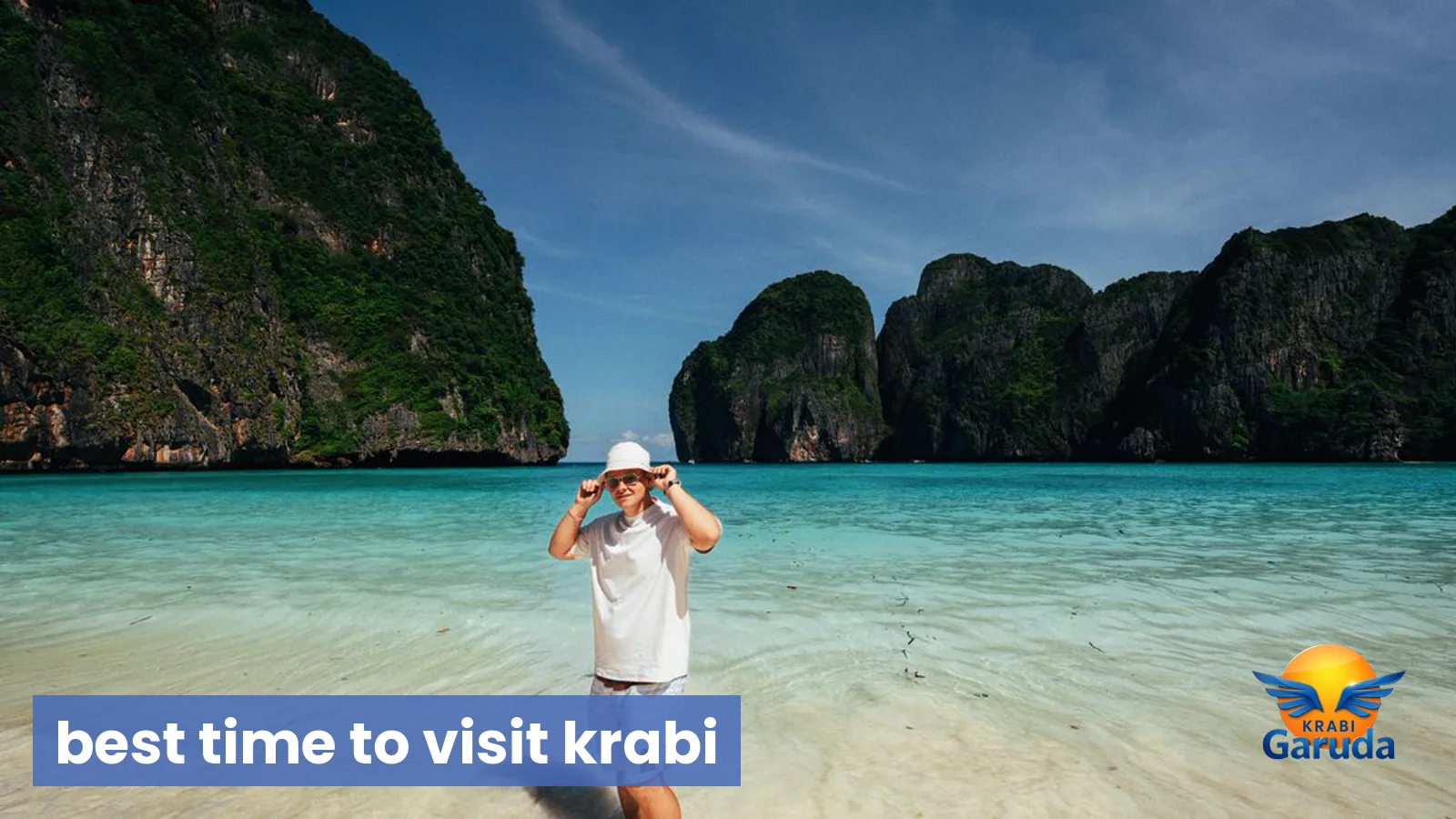
The absolute best time to visit Krabi, Thailand, for ideal weather, calm seas, and vibrant island hopping is during the dry season, which runs from November to March. During these months, you can expect abundant sunshine, minimal rainfall, and comfortable temperatures, making it perfect for exploring Krabi’s stunning beaches and limestone karsts. This period offers optimal conditions for all outdoor activities, though it is also the busiest and most expensive.
Krabi’s Climate Unpacked: Understanding the Seasons
Krabi, like much of Southern Thailand, experiences a tropical monsoon climate, which essentially means two main seasons: a dry season and a wet (or ‘green’) season, with a couple of shoulder periods in between. Understanding these patterns is key to planning your trip, as each season offers a distinct experience. The dry season, from November to March, is characterized by lower humidity, clear blue skies, and consistently sunny days. Temperatures during this time typically hover around 28-32°C, making it wonderfully warm but rarely uncomfortably hot. This is when the Andaman Sea is at its calmest, with crystal-clear waters perfect for snorkeling, diving, and boat excursions to islands like Koh Phi Phi and the Hong Islands. You’ll find all tours operating at full capacity, and all beaches, from the lively Ao Nang to the secluded Railay, are at their most picturesque.
Conversely, the wet season, generally from June to October, sees higher humidity and more frequent rainfall. These aren’t typically all-day downpours; rather, they often come as intense tropical showers that clear up within an hour or two, leaving behind refreshed landscapes. Temperatures remain warm, around 27-30°C. While rain might sound like a deterrent, this season transforms Krabi into a lush, emerald paradise, with waterfalls flowing strongly and fewer tourists. The sea can be choppier, especially in September and October, which can sometimes affect island tours, but many activities remain enjoyable. The shoulder months of April-May and early October offer a blend of both, with rising temperatures after the dry season and a gradual increase in rain towards the wet season’s end, respectively. These transitional periods can be excellent for those seeking fewer crowds and better value.
The Peak Season (November to March): Sun, Serenity, and Crowds
For many, the peak season in Krabi is synonymous with paradise. Running from November through March, these months boast the most reliable weather conditions. Picture endless days of brilliant sunshine, calm turquoise waters, and gentle breezes – ideal for lounging on white sand beaches, exploring hidden lagoons, and embarking on island-hopping adventures. During this time, the average daytime temperature is a comfortable 28-32°C, with overnight lows rarely dipping below 22°C. Humidity is also at its lowest, making outdoor activities much more pleasant. This is prime time for popular excursions such as the Four Island Tour, a quintessential Krabi experience taking you to pristine spots like Phra Nang Cave Beach, Chicken Island, Tup Island, and Poda Island. Diving and snorkeling conditions are exceptional, with superb visibility around sites like Koh Lanta and the Phi Phi Islands.
However, this ideal weather comes with its trade-offs. As the secret of Krabi’s beauty is out, the peak season also means larger crowds and higher prices. Hotels, resorts, and vacation rentals, particularly in popular areas like Ao Nang and Railay Beach, will be at their highest rates and often fully booked well in advance. Airfares and tour prices also increase. You’ll find popular spots bustling with activity, especially around Christmas, New Year, and Chinese New Year. If you cherish tranquility, consider visiting during the earlier or later parts of this season, perhaps in early November or late March, to avoid the absolute busiest weeks. Despite the crowds, the vibrant atmosphere, guaranteed sunshine, and accessibility to all activities make this the most popular choice for a reason. Booking your accommodations and tours several months ahead is highly recommended if you plan to travel during this bustling period.
The Shoulder Seasons (April to June & September to October): Smart Savings and Sunshine
For savvy travelers looking to balance good weather with fewer crowds and better value, Krabi’s shoulder seasons offer a compelling alternative. The first shoulder period, from April to June, marks the transition from the dry season to the wet season. Temperatures begin to climb, often reaching 33-36°C in April and May, making it the hottest time of year. While this can be intense, it also means fewer tourists, especially after the Songkran (Thai New Year) festivities in mid-April. Rain showers become more frequent but are typically short, sharp downpours that provide a welcome cool-down before the sun reappears. The sea remains relatively calm, and island tours are still very much on, albeit with slightly higher chances of a brief rain interruption. You’ll find significant discounts on accommodations and tours during these months, making luxury resorts more accessible. This period is fantastic for those who don’t mind the heat and want to experience Krabi without the peak season bustle.
The second shoulder season, spanning September and early October, sees Krabi gradually emerging from the heaviest rains of the green season. While October still experiences a fair amount of rainfall, the intensity lessens towards the end of the month, and sunny spells become more prolonged. September can be particularly wet, but it also means the landscape is incredibly verdant, and waterfalls like Huay Toh Waterfall are at their most impressive. This is arguably the quietest time to visit, with the fewest tourists and the lowest prices across the board. If you’re flexible with your itinerary and prepared for occasional rain, you can enjoy a remarkably peaceful Krabi, often having entire beaches or viewpoints almost to yourself. Some smaller island tours might be temporarily suspended if the sea is too rough, but mainland attractions, jungle treks, and hot springs remain excellent options. Restaurants and shops also tend to be less crowded, offering a more relaxed, local experience. For budget-conscious travelers or those seeking a more authentic, less tourist-centric vibe, these shoulder months present an excellent opportunity.
The Green Season (July to October): Lush Landscapes and Local Charm
Often misunderstood, Krabi’s green season, primarily from July to October, offers a unique and rewarding experience for the right kind of traveler. While it is indeed the rainy season, the perception of continuous downpours is often a myth. Typically, you’ll encounter heavy, tropical showers that last for an hour or two, usually in the afternoon or evening, leaving much of the day free for exploration. Temperatures remain warm, around 27-30°C, and the humidity is higher, giving the air a fresh, vibrant feel. The most striking advantage of visiting during the green season is the transformation of the landscape. The limestone karsts become incredibly lush, cloaked in vibrant emerald foliage, and waterfalls are at their roaring best. Think stunning photography opportunities, particularly around the Emerald Pool or the Tiger Cave Temple, where the greenery truly pops.
Another significant draw is the dramatic reduction in tourist numbers. Popular spots like Railay Beach or the Ao Nang Walking Street become wonderfully uncrowded, allowing for a more serene and authentic experience. Prices for flights, accommodation, and tours are at their lowest, offering substantial savings. While some island tours might be weather-dependent or canceled on particularly stormy days due to choppier seas, many mainland activities are perfectly enjoyable. Consider exploring the Klong Thom Hot Springs, kayaking through the mangrove forests, visiting local markets in Krabi Town, or taking a cooking class. This is also a fantastic time for rock climbers, as the cooler temperatures and occasional rain can make the climbs more comfortable (though wet rock faces should be avoided). For those who appreciate nature’s raw beauty, seek genuine local interactions, and aren’t afraid of a little rain, the green season reveals a different, equally captivating side of Krabi. It’s a chance to see the province at its most vibrant and to truly immerse yourself in the local pace of life without the usual tourist rush. Consider visiting the quieter Nong Thale area during this time for an even more peaceful retreat.
Activity-Specific Considerations: When to Go for What You Love
The ‘best’ time to visit Krabi also largely depends on what you plan to do. If your primary goal is island hopping, snorkeling, and diving, the dry season (November to March) is unequivocally the best. The seas are calmest, visibility underwater is excellent, and all tour operators run daily excursions to iconic destinations like the Phi Phi Islands, Koh Lanta, and the 4 Islands. This is when you’ll experience those postcard-perfect conditions.
For rock climbing enthusiasts, particularly those targeting the famous limestone cliffs of Railay Beach, the dry season offers ideal conditions with dry rock faces. However, the shoulder months of April to June can also be good, as the slightly higher temperatures mean fewer climbers and still relatively dry conditions, provided you avoid climbing immediately after a rain shower. Some experienced climbers even prefer the green season for its cooler air, taking advantage of the dry spells.
If you’re interested in exploring Krabi’s lush interior, waterfalls, and natural hot springs, the green season (July to October) can be surprisingly rewarding. The occasional rain showers invigorate the landscape, making waterfalls like Huay Toh and Khlong Thom Hot Springs particularly vibrant. Trekking through the Thung Teao Forest Natural Park to the Emerald Pool feels magical with the refreshed greenery, though paths can be muddy. This is also a great time for kayaking through mangrove forests, as the water levels are higher.
For budget travelers and those seeking fewer crowds, the shoulder seasons (April-June and September-October) offer the best value. You’ll find lower prices on accommodation and tours, and while the weather might be a bit more unpredictable (either hotter or rainier), you’ll gain a more relaxed atmosphere and a chance to experience Krabi with more local flavor. Foodies might also find the green season appealing, as local markets are often bustling, and seasonal fruits are abundant.
Frequently Asked Questions
When is the driest month in Krabi?
February is typically the driest month in Krabi, offering the least rainfall and maximum sunshine, making it perfect for beach activities and island tours.
Is Krabi very crowded in December?
Yes, December is one of the busiest months in Krabi, especially around Christmas and New Year, due to excellent weather and holiday travel. Expect higher prices and larger crowds.
Can you still do island tours during the rainy season?
Many island tours still operate during the rainy season, but they might be subject to weather conditions and can be canceled on days with heavy rain or choppy seas. Mainland activities are generally unaffected.
What is the hottest month in Krabi?
April and May are generally the hottest months in Krabi, with temperatures often exceeding 35°C, as the region transitions from the dry season into the wet season.
Is it cheaper to visit Krabi in the low season?
Yes, visiting Krabi during the low or green season (July to October) is significantly cheaper, with substantial discounts on accommodation, flights, and tours due to fewer tourists.
What activities are best during Krabi’s green season?
During Krabi’s green season, activities like visiting waterfalls, exploring the Emerald Pool, kayaking through mangroves, enjoying hot springs, and taking cooking classes are highly recommended.