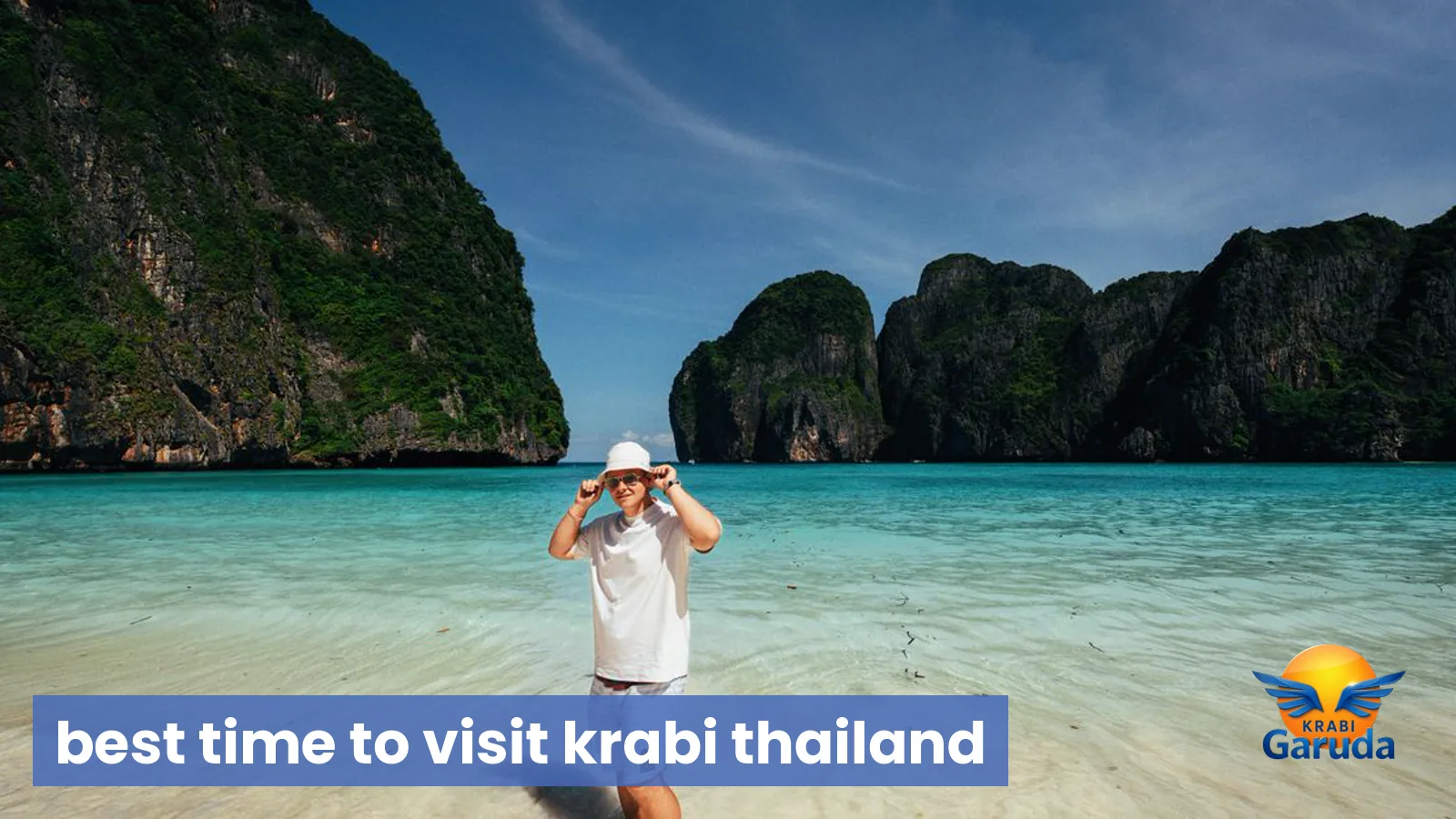
The absolute best time to visit Krabi, Thailand, is during the cool, dry season, which spans from November to March. During these months, you can expect glorious sunshine, comfortable temperatures, and calm seas, creating ideal conditions for island hopping, beach relaxation, and exploring Krabi’s stunning natural landscapes without the hindrance of heavy rainfall.
Understanding Krabi’s Climate: Dry Season vs. Green Season
Krabi, like much of Southern Thailand, experiences a tropical monsoon climate characterized by two main seasons: the dry season and the green (or wet) season. Understanding these patterns is key to planning your perfect trip. The dry season, from November to March, is when Krabi truly shines. Humidity is lower, daily temperatures average a pleasant 28-32°C (82-90°F), and clear blue skies are the norm. This period is perfect for all the outdoor activities Krabi is famous for, from rock climbing in Railay to snorkeling around the Phi Phi Islands. The calm Andaman Sea makes boat trips incredibly smooth and enjoyable, offering unparalleled visibility for diving and snorkeling.
Conversely, the green season, typically from April to October, brings higher humidity and more frequent, though often short-lived, rain showers. While some travellers are deterred by the rain, it’s important to note that downpours usually pass quickly, leaving fresh, clean air and lush, vibrant landscapes. This season also means fewer crowds and often significantly lower prices on accommodation and tours. The sea can be choppier, especially from September to October, making some island excursions less predictable, but there are still plenty of sunny days to enjoy the beaches and explore the mainland attractions. For those seeking tranquility and a more budget-friendly experience, the green season offers a unique charm.
The Dry Season (November – March): Peak Paradise
The dry season is universally considered the prime time to visit Krabi, offering consistently excellent weather that makes every activity a joy. Beginning in November, the monsoon rains recede, giving way to clear skies and gentle breezes. December, January, and February are particularly popular, with daytime temperatures hovering around a comfortable 30°C (86°F) and minimal humidity. This period is perfect for extended beach days at Ao Nang or Phra Nang Beach, exploring the iconic limestone karsts, or embarking on multi-island tours to destinations like the Hong Islands or Koh Poda. The calm waters are ideal for swimming, snorkeling, and diving, with underwater visibility at its best.
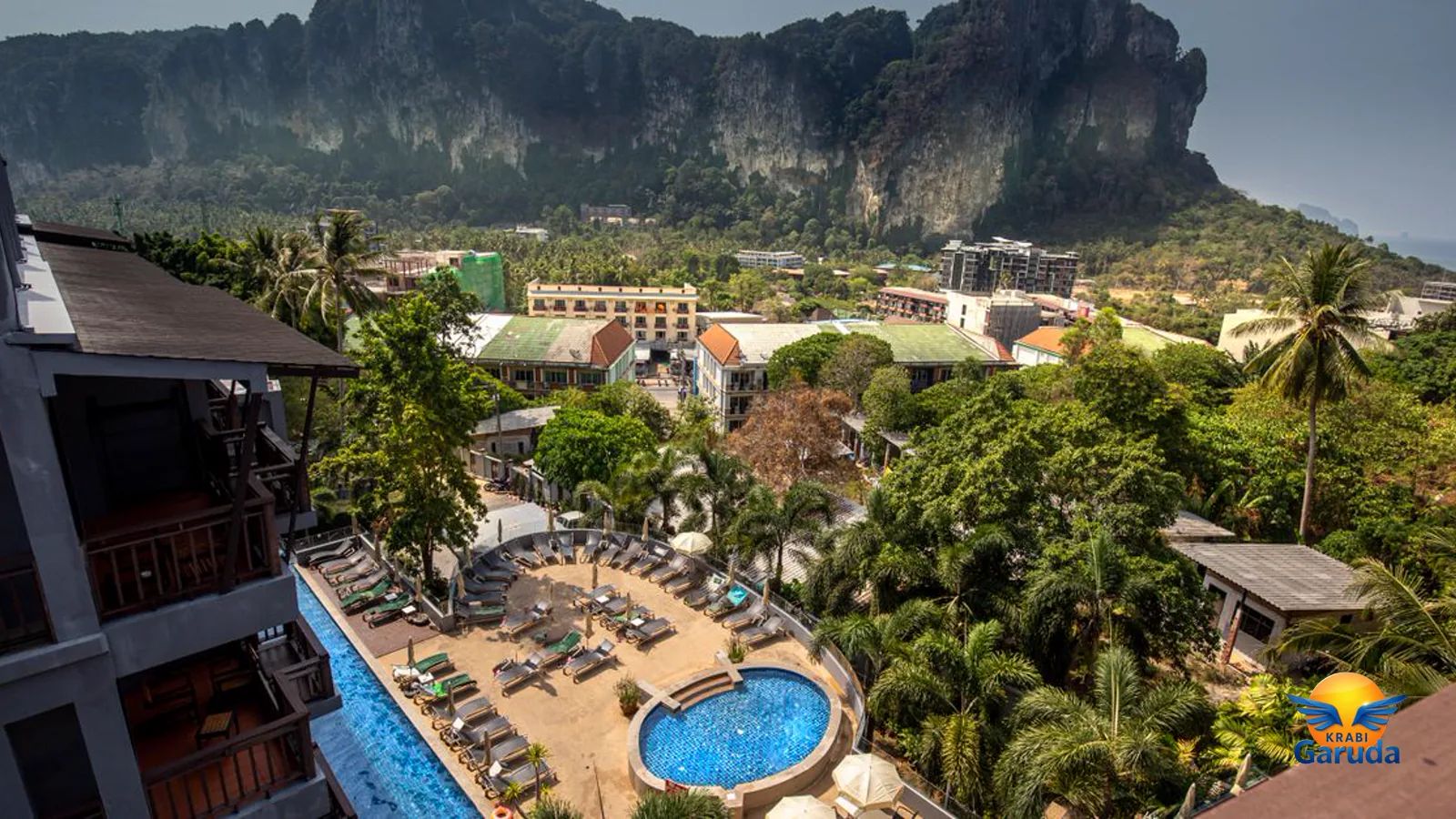
However, this popularity comes with a trade-off: larger crowds and higher prices. Hotels, resorts, and popular tours tend to book up quickly, especially around Christmas, New Year, and Chinese New Year. It’s crucial to book your flights and accommodation well in advance if you plan to travel during these months. Despite the crowds, the atmosphere is vibrant and festive, with lively night markets and bustling beachfronts. If you dream of postcard-perfect weather and don’t mind sharing the beauty with more fellow travellers, this is your window. Consider visiting in late November or early March to catch the tail ends of the peak season, where the weather is still fantastic but the crowds begin to thin slightly. Many visitors also find this an ideal time to explore some of the best Krabi resorts, which are in full swing during these months.
The Green Season (April – October): Lush Landscapes & Budget-Friendly Travel
Don’t let the term ‘green season’ (often called ‘rainy season’) deter you entirely; it presents a different, yet equally rewarding, side of Krabi. From April to October, Krabi transforms into a verdant paradise, with the rain breathing life into the tropical flora. While you can expect more rainfall, it typically comes in short, intense bursts, often in the late afternoon or overnight, leaving plenty of sunny hours for exploration. Average temperatures remain warm, around 30-34°C (86-93°F), though humidity is higher. May and September tend to be the wettest months, but even then, extended periods of sunshine are common.
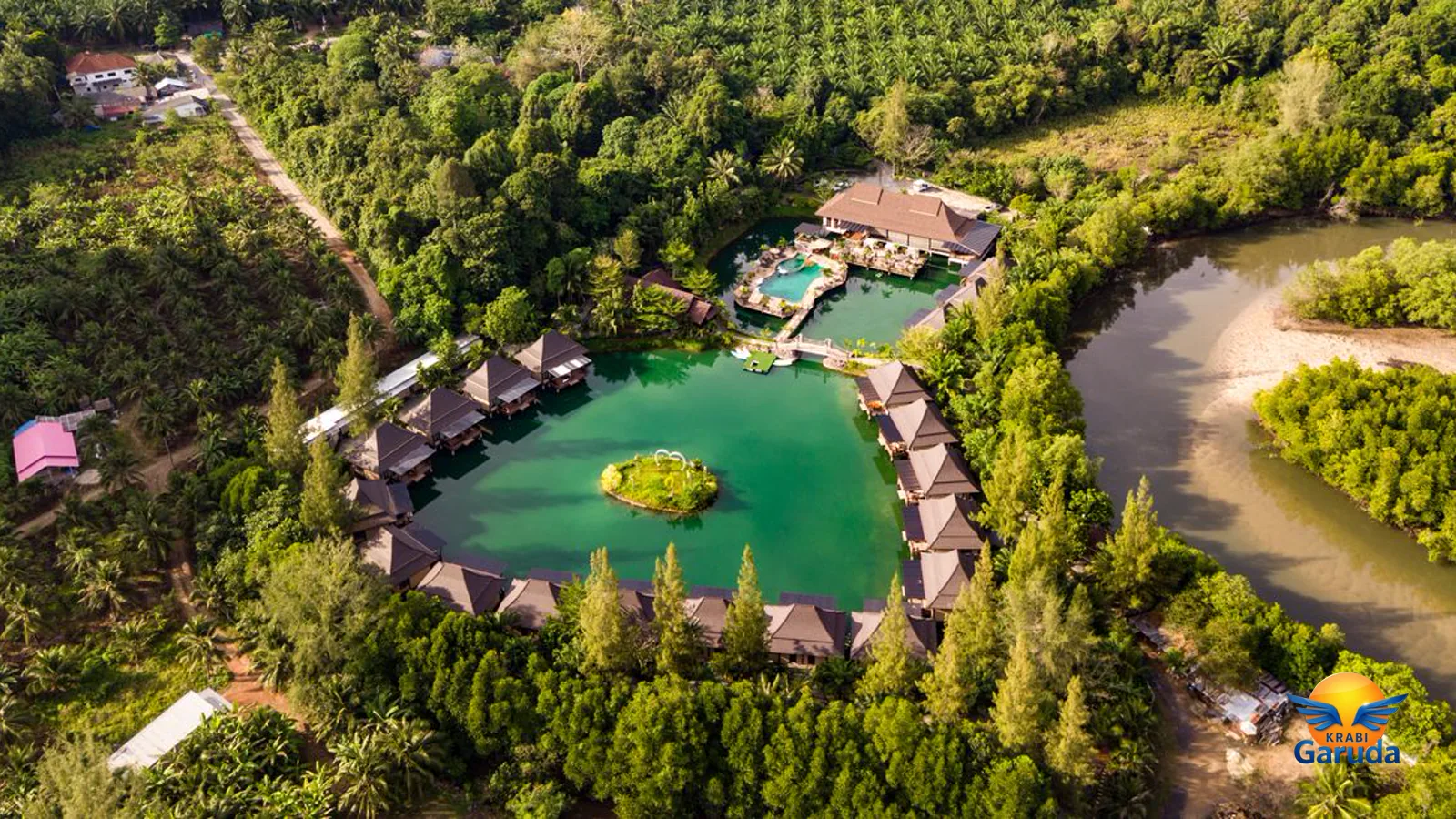
The primary advantages of visiting during the green season are fewer tourists and lower prices. You’ll find better deals on flights, hotels, and even some tours. Beaches like Railay and Klong Muang feel more serene, offering a sense of authentic tranquility that’s harder to find in peak season. This is an excellent time for activities like kayaking through mangrove forests, visiting inland attractions such as the Emerald Pool and Hot Spring Waterfall, or exploring the cultural side of Krabi Town. While rougher seas might occasionally limit certain island trips, there are still plenty of boat tours operating, often with fewer passengers. This is also a fantastic period for photography, as the landscapes are incredibly lush and the light after a rain shower can be truly magical. For those interested in a more secluded experience, places like Nong Thale offer a peaceful escape during this time.
Month-by-Month Breakdown for Your Krabi Trip
To help you fine-tune your travel dates, here’s a month-by-month guide:
December to February: The Sweet Spot
- Weather: Excellent, consistently sunny, low humidity, calm seas.
- Crowds: Heaviest of the year, especially around holidays.
- Prices: Highest for accommodation and flights.
- Activities: Perfect for all outdoor activities, island hopping, diving, rock climbing. Book everything well in advance.
March & November: Shoulder Seasons with Great Value
- Weather: Still very good, transitioning to or from the dry season. March can start to get hot, November sees the last of the heavy rains.
- Crowds: Moderate, beginning to thin in March and build in November.
- Prices: Slightly lower than peak, offering good value.
- Activities: Excellent for most activities. Good time for diving before the choppy seas, or enjoying quieter beaches.
April & October: Transitional Months
- Weather: April is typically hot and humid, leading into the wet season. October is the end of the wet season, with improving conditions.
- Crowds: Fewer tourists than peak season.
- Prices: More affordable, good deals can be found.
- Activities: Inland excursions, kayaking, or enjoying the quiet beaches. Some island tours might be affected by rougher seas, particularly in October.
May to September: The Heart of the Green Season
- Weather: Frequent rain showers, high humidity, but also plenty of sunshine. May and September usually see the most rain.
- Crowds: Lowest tourist numbers, very peaceful.
- Prices: Best deals on accommodation and tours.
- Activities: Ideal for budget travellers, those seeking solitude, and exploring Krabi’s lush inland. Enjoy the fresh air after rain and vibrant greenery.
Planning Your Krabi Activities by Season
The type of activities you prioritize can significantly influence your choice of travel dates. If your primary goal is island hopping, diving, or extensive beach time, the dry season (November to March) is undeniably superior. The calm, clear waters of the Andaman Sea are perfect for exploring the vibrant marine life around the Phi Phi Islands, Koh Lanta, or the local Four Islands Tour. Rock climbing in Railay Beach is also at its best during these dry, cooler months, with optimal conditions for scaling the limestone cliffs.
However, if you’re more interested in exploring Krabi’s mainland attractions, cultural sites, or simply unwinding in a quieter atmosphere, the green season (April to October) offers a compelling alternative. Imagine kayaking through serene mangrove forests, visiting the beautiful Emerald Pool and Hot Spring Waterfall when fewer people are around, or trekking through the lush jungle to viewpoints like the Tiger Cave Temple (Wat Tham Suea). While some boat tours might be less reliable due to sea conditions, many operators still run, offering a more intimate experience. Plus, the occasional rain shower can be a welcome refreshment from the tropical heat. Krabi Garuda also offers a range of tours that can be tailored to the season, ensuring you make the most of your visit regardless of the time of year.
Frequently Asked Questions
When is the driest month in Krabi?
February is typically the driest month in Krabi, offering consistently sunny days and very little rainfall, making it a prime time for beach activities and island excursions.
Is Krabi very crowded in December?
Yes, December is one of the peak tourist months in Krabi, especially around Christmas and New Year, so expect larger crowds and higher prices for accommodation and tours.
Can you swim in Krabi during the rainy season?
Yes, you can absolutely swim in Krabi during the rainy season. While there might be occasional downpours and choppier seas, there are still many sunny days, and the water remains warm and inviting.
What activities are best during Krabi’s green season?
During Krabi’s green season, activities like kayaking through mangroves, visiting the Emerald Pool and Hot Spring, exploring Krabi Town, and enjoying quieter beaches are highly recommended.
Is it cheaper to visit Krabi during the off-peak season?
Yes, visiting Krabi during the off-peak green season (April to October) is generally much cheaper, with lower prices for flights, accommodation, and some tours due to fewer tourists.
How hot does Krabi get in April?
Krabi can get quite hot in April, with average daytime temperatures often reaching 32-34°C (90-93°F) and high humidity, as it marks the transition into the warmer, wetter season.