Krabi’s real estate market offers diverse opportunities for foreign buyers and investors, encompassing condominiums, villas, and land, primarily facilitated through secure long-term leasehold agreements or condominium freehold structures. Understanding the nuances of Thai property law and local market dynamics is crucial for making a sound investment in this stunning Southern Thailand province.
Understanding Foreign Property Ownership in Krabi
Navigating property ownership in Thailand as a foreigner can seem complex, but with the right guidance, it’s entirely feasible. The key distinction lies between freehold and leasehold, along with specific regulations for condominiums.
Freehold vs. Leasehold Explained
Thai law generally restricts direct freehold land ownership for foreigners. However, there are two primary pathways to secure property:
- Leasehold: This is the most common method for foreigners to acquire land or houses. It involves a long-term lease agreement, typically for 30 years, which is renewable for two subsequent 30-year periods, effectively providing 90 years of tenure. The lease is registered with the Land Department, offering a secure legal framework. This option is popular for villas, houses, and land plots where foreigners wish to build their own homes.
- Condominium Freehold: Foreigners can own condominium units outright (freehold) under the Condominium Act, provided that the total foreign ownership in a particular building does not exceed 49% of the total unit area. This is a straightforward and popular option for those looking to purchase apartments or holiday units.
Company Ownership (Thai Company Structure)
Another method, often used for larger investments or commercial properties, involves establishing a Thai limited company. This company, which is predominantly Thai-owned (at least 51% of shares held by Thai nationals), can then own land freehold. Foreigners can hold up to 49% of the shares and typically control the company through preferential shares or board appointments. It’s crucial to ensure such a company is set up legitimately for business purposes to avoid scrutiny from the Land Department.
Popular Real Estate Locations in Krabi
Krabi offers a variety of locales, each with its unique charm and investment potential. The choice of location often depends on lifestyle preferences and investment goals.
| Area | Primary Property Types | Best For | Price Tier (Avg.) |
|---|---|---|---|
| Ao Nang | Condos, villas, guesthouses | Rental income, tourist amenities, vibrant lifestyle | Mid to High |
| Klong Muang & Tubkaek | Luxury villas, beachfront properties, resorts | Tranquil living, high-end tourism, privacy | High |
| Krabi Town | Apartments, commercial shophouses, local homes | Local living, business ventures, cultural immersion | Low to Mid |
| Koh Lanta | Villas, land plots, bungalows | Island lifestyle, long-stay tourism, serene environment | Mid |
Ao Nang
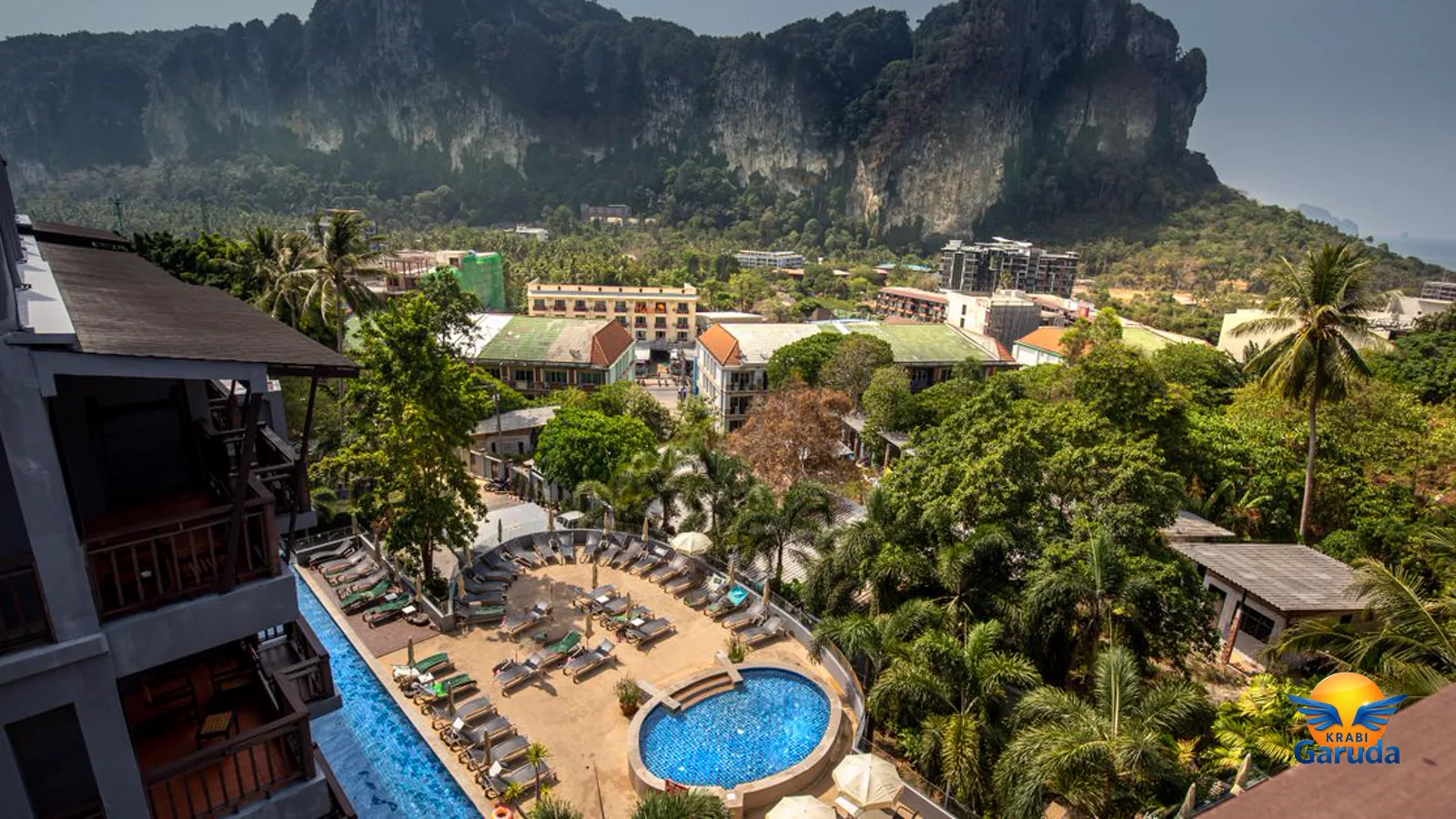
Ao Nang remains the most popular hub for tourists and, consequently, for real estate investors. Its bustling atmosphere, diverse dining options, and easy access to island hopping tours make it ideal for properties targeting the rental market. You’ll find a mix of modern condominiums, private villas, and guesthouses. Properties closer to the beach command higher prices, but good value can still be found slightly inland. Many expatriates choose Ao Nang for its convenience and amenities.
Klong Muang & Tubkaek
Just a short drive from Ao Nang, Klong Muang and Tubkaek offer a more upscale and tranquil environment. These areas are home to luxury resorts and private villas, many boasting stunning beachfront or sea-view locations. They appeal to those seeking peace and exclusivity, often at a higher price point. Investment here is typically geared towards high-end rentals or personal holiday homes.
Krabi Town
The provincial capital, Krabi Town, offers a glimpse into local Thai life away from the main tourist beaches. Here, real estate tends to be more affordable, with a focus on apartments, traditional shophouses, and local homes. It’s a good option for those looking for a more authentic living experience or seeking commercial properties for local businesses. The property market here is less driven by international tourism and more by local demand and commerce.
Koh Lanta
Accessible by a short car ferry ride, Koh Lanta offers a laid-back island lifestyle. The real estate market here includes charming villas, bungalows, and land plots, often with lush tropical surroundings. It attracts long-term residents and tourists seeking a quieter, more relaxed pace. Investment opportunities range from boutique resorts to private holiday homes, with a strong focus on sustainable tourism.
Types of Real Estate Available
The Krabi property market caters to various preferences and budgets, offering a range of property types.
- Condominiums: Ideal for hassle-free ownership, especially for foreigners due to the freehold option. They often come with shared facilities like swimming pools and gyms, making them attractive for both personal use and rental.
- Villas and Houses: These offer more space and privacy, typically acquired through a leasehold agreement or via a Thai company. Many come with private pools and gardens, popular with families or those seeking a luxurious retreat. For a more detailed look into buying a house, consider our guide on Houses for Sale in Krabi.
- Land: Purchasing land for development is possible through a leasehold or company structure. This allows investors to build custom properties or develop commercial ventures. Due diligence on land titles is paramount here.
- Commercial Properties: Krabi’s thriving tourism sector creates opportunities for investing in guesthouses, small resorts, shops, and restaurants. These often come with existing businesses and require careful legal and financial assessment.
The Krabi Real Estate Market Outlook
The Krabi real estate market has shown resilience and growth, particularly with the rebound of international tourism. Post-pandemic, demand for both residential and rental properties has steadily increased.
Current Trends and Investment Potential
Krabi’s natural beauty and continued infrastructure development ensure a steady influx of tourists, which directly impacts the rental market. Properties in prime locations like Ao Nang and Klong Muang often yield strong rental returns, especially during the high season (November to April). There’s also a growing interest in sustainable and eco-friendly developments, aligning with global trends.
Challenges to Consider
While the potential is strong, investors should be aware of challenges. Legal complexities for foreign ownership require professional advice. Market fluctuations, though generally positive, can occur, and managing a property from afar can be demanding without reliable local support. For a broader overview of the market, you can read our Thailand Krabi Real Estate: Your Investment & Living Guide.
Essential Steps for Buying Property in Krabi
A structured approach is vital when purchasing real estate in Krabi to ensure a smooth and secure transaction.
- Find a Reputable Agent and Lawyer: Engage experienced local real estate agents who understand the market and a qualified Thai lawyer specialising in property law. They will guide you through the legalities and ensure due diligence.
- Due Diligence: Your lawyer will conduct thorough checks on land titles, building permits, and vendor legitimacy. This step is critical to prevent future disputes.
- Secure Financing: Most foreign buyers finance purchases internationally, as obtaining a mortgage from a Thai bank can be challenging for non-residents. Plan your financing well in advance.
- Sales Agreement and Deposit: Once satisfied with due diligence, a sales and purchase agreement will be drafted. A deposit (typically 10-20%) is paid at this stage.
- Transfer of Ownership: The final step involves registering the transfer of ownership at the Land Department. For condominiums, this means recording the foreign ownership percentage. For leaseholds, the lease agreement is registered.
Living and Investing in Krabi
Beyond the financial aspects, living in Krabi offers a high quality of life with stunning natural landscapes, a vibrant expat community, and a relaxed pace. For investors, the potential for rental income is a significant draw, especially with the growing demand for short-term holiday rentals and longer-term expat residences.
Many property owners choose to employ local property management services to handle maintenance, bookings, and guest relations, ensuring their investment is well-maintained and generates consistent income. Whether you’re looking for a holiday home, a permanent residence, or a lucrative investment, Krabi offers a compelling blend of opportunities.
Frequently Asked Questions
Can foreigners own land freehold in Krabi?
No, generally foreigners cannot own land freehold in Thailand. The most common methods are through long-term leasehold agreements or via a Thai limited company structure.
What is the 49% rule for condominium ownership?
The 49% rule states that foreigners can own condominium units freehold, provided that the total foreign ownership in that specific condominium building does not exceed 49% of the total unit area.
What are the best areas to invest in real estate in Krabi?
Popular areas for real estate investment include Ao Nang for its tourist appeal and rental potential, Klong Muang and Tubkaek for luxury and tranquility, and Koh Lanta for island living and long-stay tourism.
Is a lawyer necessary when buying property in Krabi?
Yes, it is highly recommended to engage a reputable Thai lawyer specializing in property law. They will conduct due diligence, ensure legal compliance, and protect your interests throughout the purchasing process.
What types of properties are most popular with foreign buyers?
Condominiums are very popular due to the freehold ownership option, as are villas and houses typically acquired through secure leasehold agreements.
How long is a typical leasehold agreement in Thailand?
A typical leasehold agreement for land or a house is for 30 years, with the possibility of two consecutive 30-year renewals, effectively granting up to 90 years of tenure.